Building Smarter Conversations: A Guide to AI Chatbot Builders
This post contains affiliate links. We may earn a small commission at no extra cost to you.In today's fast-paced digital world, businesses are constantly seeking innovative ways to engage with customers, streamline operations, and provide instant support. Enter AI chatbot builders – powerful platforms that allow anyone, from small business owners to enterprise solution architects, to create intelligent conversational agents without deep coding knowledge. These tools are revolutionizing how we interact online, offering everything from 24/7 customer service to personalized marketing campaigns.
But what exactly are AI chatbot builders, and why are they becoming indispensable? Simply put, they are software solutions that leverage artificial intelligence, particularly Natural Language Processing (NLP), to design, deploy, and manage chatbots. These aren't your old, rule-based chatbots that stumbled over anything outside their script; modern AI-driven bots can understand context, learn from interactions, and provide increasingly sophisticated responses.
Why Your Business Needs AI Chatbot Builders
The benefits of integrating an AI-powered chatbot are manifold, impacting various facets of your business:
- 24/7 Customer Support: Imagine your customers getting instant answers at any time, day or night. Chatbots eliminate waiting times, enhancing customer satisfaction and freeing up human agents for more complex issues.
- Cost Efficiency: Automating routine inquiries significantly reduces the need for large customer service teams, leading to substantial cost savings.
- Lead Generation and Qualification: Chatbots can engage website visitors, ask qualifying questions, collect contact information, and even guide them through product selections, effectively nurturing leads around the clock.
- Personalized User Experience: By remembering past interactions and leveraging user data, AI chatbots can offer tailored recommendations, product suggestions, and support, making each customer feel valued.
- Scalability: As your business grows, your chatbot can handle an ever-increasing volume of conversations without additional staffing, ensuring consistent service quality.
- Data Collection and Analytics: Chatbots collect valuable insights into customer queries, pain points, and preferences, providing data that can inform product development, marketing strategies, and content creation.
Key Features to Look for in an AI Chatbot Builder
Choosing the right platform is crucial for success. Here are some essential features to consider:
- Natural Language Processing (NLP): The core of any good AI chatbot. It determines the bot's ability to understand human language, intent, and context. Look for robust NLP capabilities that can handle synonyms, slang, and complex sentences.
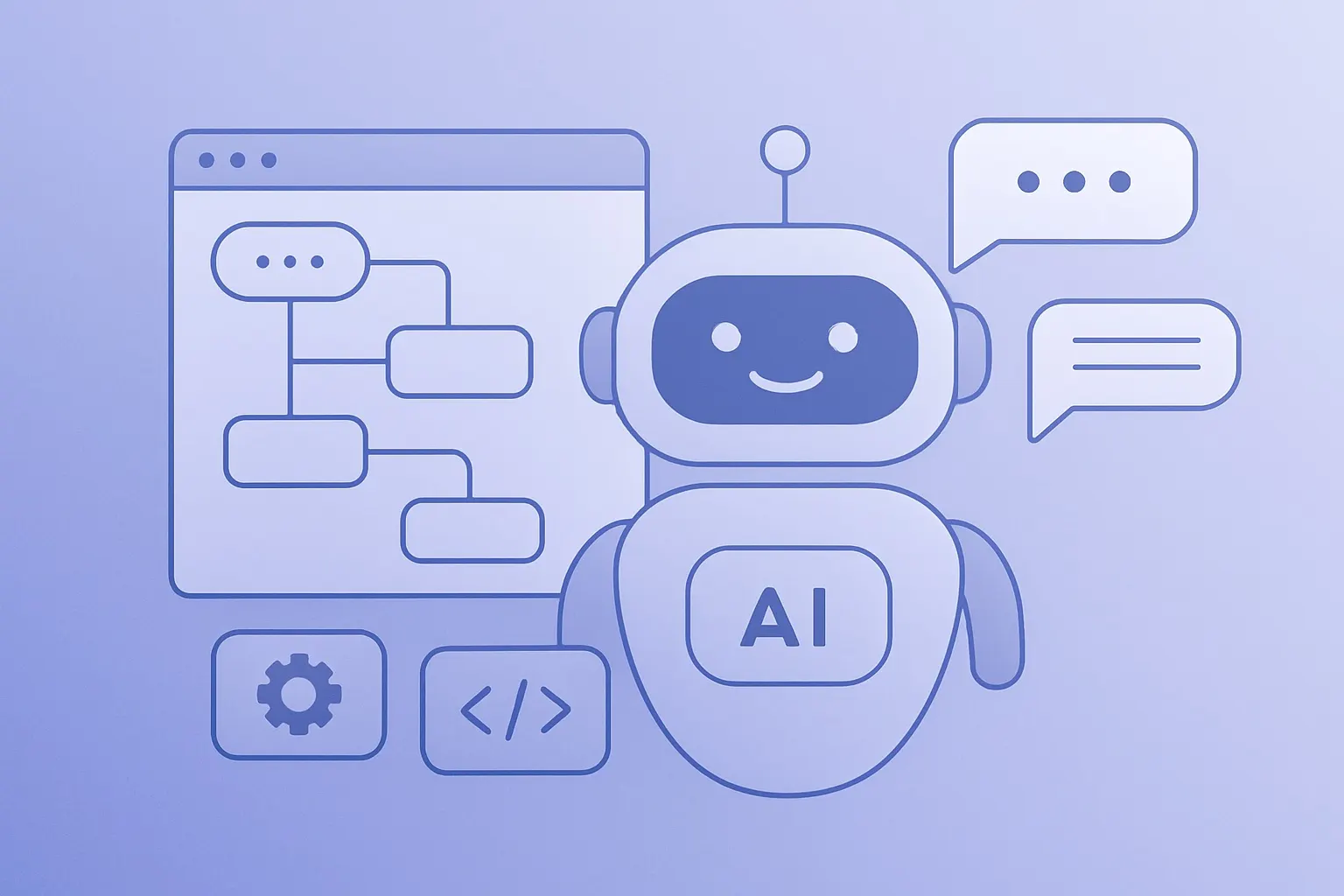
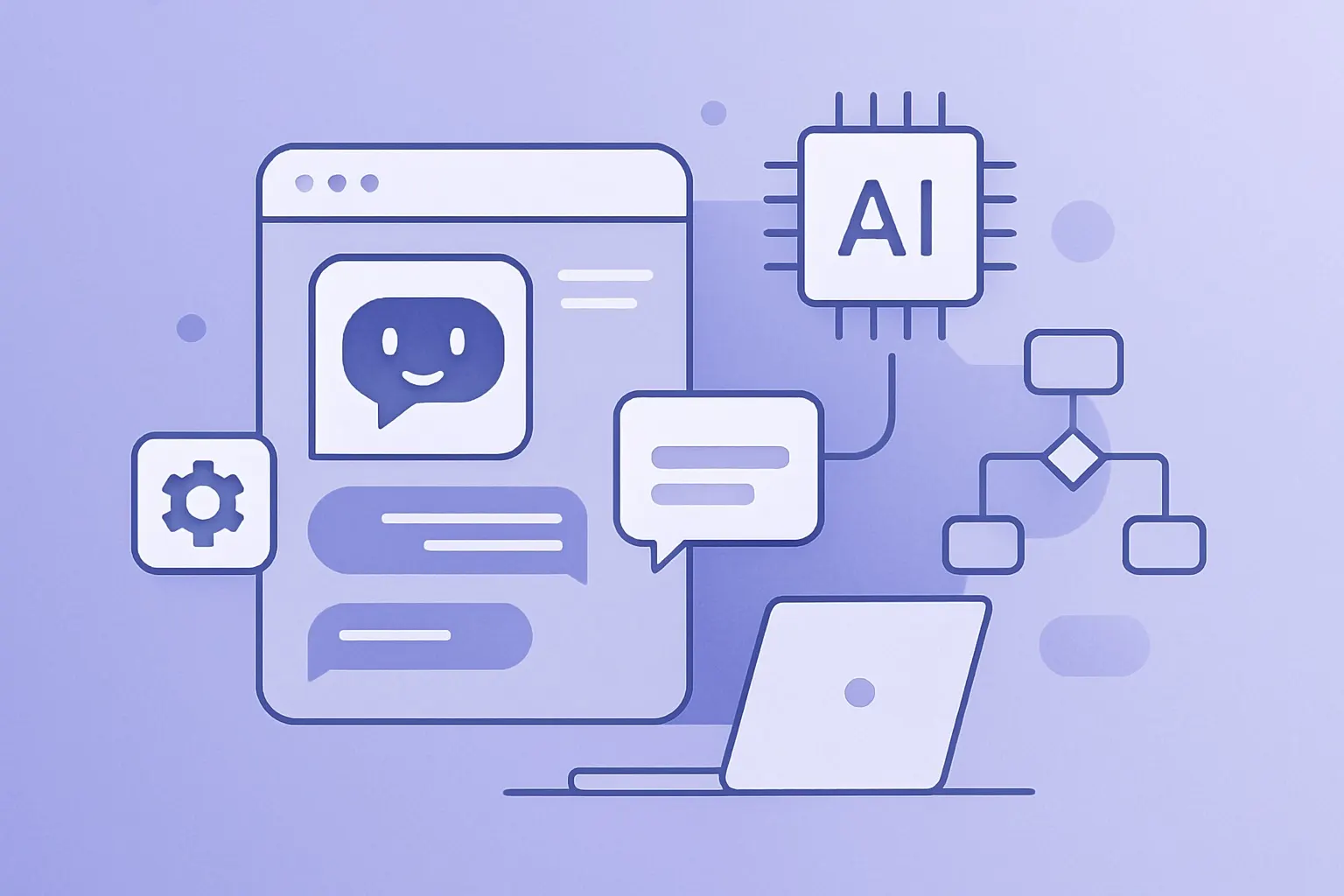
- Ease of Use: A drag-and-drop interface, pre-built templates, and intuitive flow designers are critical for rapid development and deployment, especially for non-developers.
- Integrations: Your chatbot won't live in a vacuum. Ensure it can seamlessly connect with your existing CRM, helpdesk software, e-commerce platforms, and messaging apps (WhatsApp, Facebook Messenger, etc.).
- Training and Learning Capabilities: Can the bot learn from new data and interactions? Features like sentiment analysis and continuous learning mechanisms improve the bot's performance over time.
- Analytics and Reporting: Detailed dashboards that show conversation volume, user satisfaction, common queries, and resolution rates are vital for optimizing your chatbot.
- Multi-channel Deployment: The ability to deploy your chatbot across various channels – your website, social media, mobile apps – is important for reaching customers wherever they are.
Top Tools to Empower Your Conversational AI Strategy
Several platforms stand out in the AI chatbot builder space, offering a range of features for different needs.
For content creation and script development, tools like Jasper can be invaluable. While not a chatbot builder itself, its AI writing assistant capabilities allow you to quickly generate engaging and coherent scripts for your chatbot's responses, ensuring a consistent and helpful voice. If you're building a more sophisticated bot that integrates multimedia, consider how tools like Descript can help you produce high-quality audio or video content that your chatbot might link to or even generate snippets from for richer interactions.
For general productivity and knowledge base management that can feed into your chatbot's intelligence, Notion AI offers powerful features. You can leverage Notion to organize vast amounts of information, which your chatbot can then access to provide accurate answers to user queries.
For direct chatbot building, you'll find platforms like ManyChat, Chatfuel, and HubSpot's Conversation Bots. If you're just starting and want to explore the concepts of chatbot development, there are many excellent resources and kits available on Amazon that can help you get hands-on experience.
Getting Started with Your AI Chatbot
Implementing an AI chatbot doesn't have to be daunting. Start small:
- Define Your Goal: What specific problem will your chatbot solve? (e.g., answer FAQs, qualify leads).
- Map Out Conversations: Design the flow of typical interactions.
- Train Your Bot: Feed it relevant data and constantly refine its responses based on real-world interactions.
- Monitor and Optimize: Use analytics to identify areas for improvement.
The Future of Conversation
AI chatbot builders are more than just a trend; they represent a fundamental shift in how businesses communicate and operate. As AI technology continues to advance, these bots will become even more intelligent, empathetic, and indispensable, paving the way for truly seamless and personalized digital experiences. Embracing these tools now will position your business at the forefront of the conversational AI revolution.